
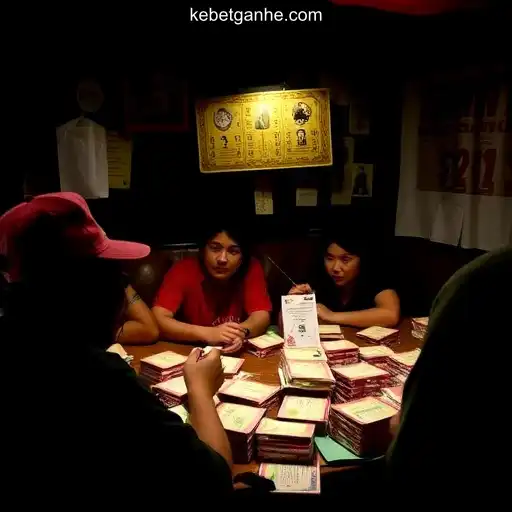

The Intricacies of Jueteng: A Closer Examination
The complex world of illegal gambling in the Philippines often revolves around a notorious numbers game known as Jueteng. For decades, Jueteng has thrived despite numerous efforts to eradicate it. Particularly popular in the northern regions of the Philippines, this illicit lottery has evolved from a local pastime into a wide-scale, underground economy challenging legal boundaries and government control.
Understanding Jueteng
Jueteng is a numbers game that involves betting on any combination of two numbers, each ranging from 1 to 37. The game is simple: a bettor picks any two numbers and places a wager on it. If their chosen numbers are drawn, they win a payout based on the odds. Unlike state-sponsored lotteries, Jueteng operates in a shadowy realm devoid of regulations or taxes. Despite its illegal status, its allure captures the hopes and dreams of many Filipinos who see it as a chance to improve their economic standing.
History and Evolution
The origins of Jueteng can be traced back to the Spanish colonial era. It initially started as a simple time-passing activity but eventually grew into a major operation run by local operators called "kubradors." Through the years, Jueteng evolved, adapting to the changing legal and social landscape of the country. It expanded into regional networks, leading to complex systems of operations that involve various stakeholders, including local gambling lords, politicians, and law enforcement officers.
Economic Impact
With millions of pesos betting on the game daily, the economic impact of Jueteng is substantial. The game provides a source of income, not only for those who run it but also for communities benefiting from the redistributed winnings. It contributes to the underground economy, often escaping the purview of official statistics and government taxation. This unregulated circulation of money can indirectly affect the legal economic landscape, perpetuating a cycle of dependency on illegal gambling winnings.
Challenges of Eradication
Efforts to terminate Jueteng have been persistent but daunting. The game's embedded nature in the community and its ability to circumvent legal measures make it hard to root out. Law enforcement agencies face substantial challenges, including corruption and threats, as they tackle this resilient vice. Occasionally, Jueteng's organizers exert influence on local politics, either through financial contributions or intimidation, further complicating eradication efforts.
Social and Cultural Perception
Despite its legal status, Jueteng maintains a significant cultural presence. For many Filipinos, the game is more than illegal gambling; it is a social activity that brings communities together. Its persistent popularity illustrates a deep-rooted belief in "pampataya," a term reflective of the hopes people invest in luck and fate. Jueteng is simultaneously seen as a harmless game and a symbol of corruption, offering a fascinating insight into societal dynamics.
Kebet⭐️ ONLINE PLATAFORMA OFICIAL: The Digital Shift
The growing influence of technology has paved the way for new fronts in gambling, including the rise of online platforms. Kebet⭐️ ONLINE PLATAFORMA OFICIAL is one such digital entity that promises bettors a secure and reliable gambling experience. The transition from street-based operations to digital platforms introduces new legal challenges as authorities attempt to regulate and monitor gambling activities over the internet. Nevertheless, these platforms provide an alternative for traditional bettors seeking convenience and safety.
Conclusion: The Path Forward
The issue of Jueteng continues to be a double-edged sword, representing economic opportunity for some and a legal dilemma for others. While solutions like the development of Kebet⭐️ ONLINE PLATAFORMA OFICIAL offer modern alternatives, they also raise questions about regulation and ethical gambling. Understanding Jueteng requires examining its socio-economic impact, historical roots, and cultural significance. Whether legal alternatives replace Jueteng or it persists in its current form depends on comprehensive efforts addressing the deeper issues entwined within Filipino society.